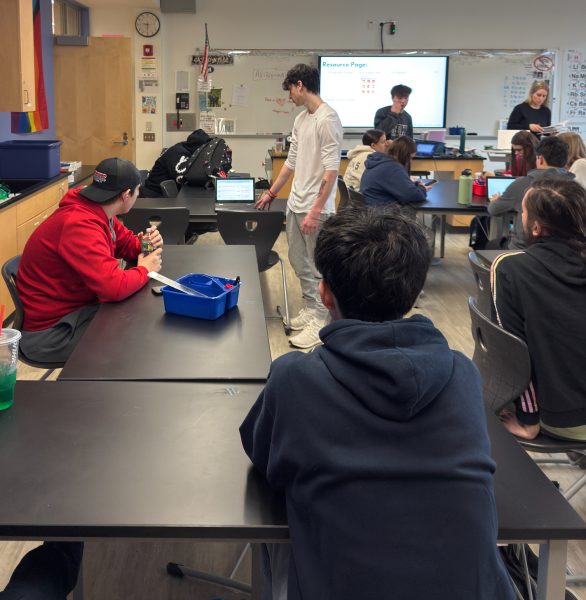
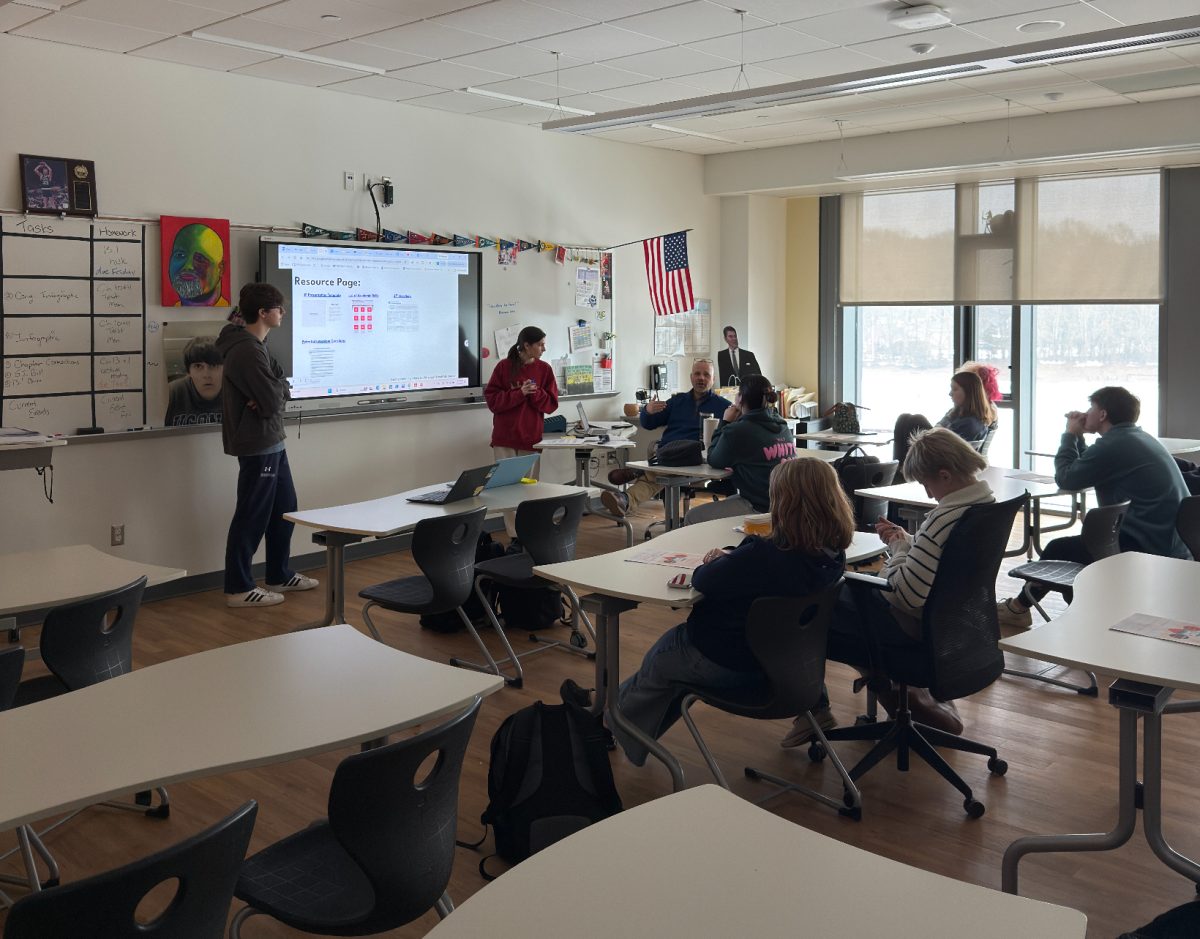
Many high schools require students to complete various types of senior projects. According to the American Institutes for Research, these forms of reflection activities help students learn their strengths and build confidence as they transition into a new chapter of their life. However, The PawPrint met up with several sophomores to learn that many students at The Morgan School are experiencing issues due to the expectations not being set early from the beginning. Students feel lost with this intimidating requirement, not knowing what they should be doing.
Junior Portfolio is meant to be an important milestone for students to show their growth and build life skills that prepare students for after high school. The issue starts long before students graduate, underclassmen feel they are ill prepared to succeed.
Students at The Morgan School are required to complete the ‘Junior Portfolio Interview’ project in order to graduate. This project is a culmination of various academic achievements and celebration experiences over several years at Morgan. These experiences all connect back to Morgan’s ‘habit of mind’ goals. The project has students look back at their growth throughout high school, challenges they overcame, skills they developed, and achievements they are particularly proud of.
For many students, Junior Portfolio is perceived as an intimidating requirement before graduation. When sophomore Timothy Shove was asked what he knew about Junior Portfolio he said “really nothing, they just said we go through projects and talk about them our junior year.” Sophomore Aeden Harkins agreed, adding that when the topic does come up, it often just creates more confusion.
The project was first introduced in Freshman Experience class. The class is intended to prepare students for junior portfolios by introducing expectations, building foundations skills and competencies, and to ease some of the anxiety of junior year. However, for many students that goal isn’t being met.
“They didn’t even teach us anything, besides how to use the website,” Shove explained. The google site students spend time creating is just busy work, and doesn’t even connect to the actual junior portfolio presentation.
This lack of understanding has led to some skepticism about the project itself. “It seems useless, just a waste of time,” Harkins explained. He suggested something more beneficial could be a community based capstone project. “Since we have a small community it’s always a good idea to do something to help benefit our town.”
Junior Portfolio is a slideshow presentation and interview between you and your panel teachers. Students bring together different projects from different classes and years that reflect their strength and growth over time.
Senior Camryn Mazzarella described her experience starting freshman year made her feel “unprepared, since as a freshman you do not understand why Junior Portfolio is such a big deal and people often don’t take it seriously. Freshman expirence didn’t teach me what I needed to know going into the project, it just gave me useless resources.”
The lack of clarity students are all feeling leads to a lot of anxiety. Without a clear understanding of what the portfolio entails, the students don’t feel prepared to present.
One of the hardest challenges students face when completing this project is organization. Both seniors emphasized how hard it was to look back to find assignments when all their old work wasn’t kept organized. “I had to search really hard through my google drive,” said Mazzarella.
While students typically fear the presentation portion the most, many students found it to be less stressful than expected since you are only talking to a small group. Senior Lauren Abbott, who “really doesn’t like presenting,” explains that she wasn’t feeling fully prepared so she went and a friend helped her practice and feel ready.
Camryn explained that, “as long as you know what you’re talking about, it’s really nothing to worry about.” But students often aren’t aware of the expectation and what they should be discussing.
While the underclassmen do feel uncertainty, seniors who have completed the portfolio have a different experience to share. “You are set up for success, there is no reason to stress about it,” Abbott explained.
Beyond academics, the project helps build real world skills. Students learn to organize materials and present their strengths. “You have to learn how to put your work together for a resume or portfolio,” said Mazzarella.
However the disconnect between underclassmen and seniors is the underlying issue. White the project itself might be valuable, students often don’t feel well prepared. We need to focus more on setting up students in freshman experience and bridging the gap by setting a clear expectation, earlier mentorship programs, and more consistent guidance could ease so many students’ anxiety.